Top 5 Employer Wellness Incentives: Up to $1,000 Premium Reductions
Advertisements

With rising healthcare costs in the US, employee wellness incentives that offer up to $1,000 in premium reductions are a win-win for businesses and workers alike.
Investing in targeted health programs directly boosts productivity, lowers absenteeism, and slashes benefit expenses. This guide details the five most effective strategies to build a culture of health while driving bottom-line savings.
Understanding the Landscape of Employer Wellness Incentives
Employer wellness incentives have evolved significantly, moving beyond basic health screenings to comprehensive programs designed to address various aspects of employee well-being.
These initiatives are now seen as a strategic investment, yielding returns in both employee satisfaction and financial performance. The goal is to encourage proactive health management.
The current environment emphasizes personalized approaches, recognizing that a one-size-fits-all model is often ineffective.
Employers are increasingly tailoring programs to meet the diverse needs and preferences of their workforce, leading to higher participation rates and better health outcomes. This customization is vital for maximizing the impact of any wellness program.
Regulatory frameworks, such as those under the Affordable Care Act (ACA), also play a role in shaping how these incentives are structured and offered.
Understanding these guidelines is essential for compliance and for ensuring that wellness programs are both effective and legally sound. The focus remains on voluntary participation and non-discriminatory practices.
The Financial Appeal: Why $1,000 Matters
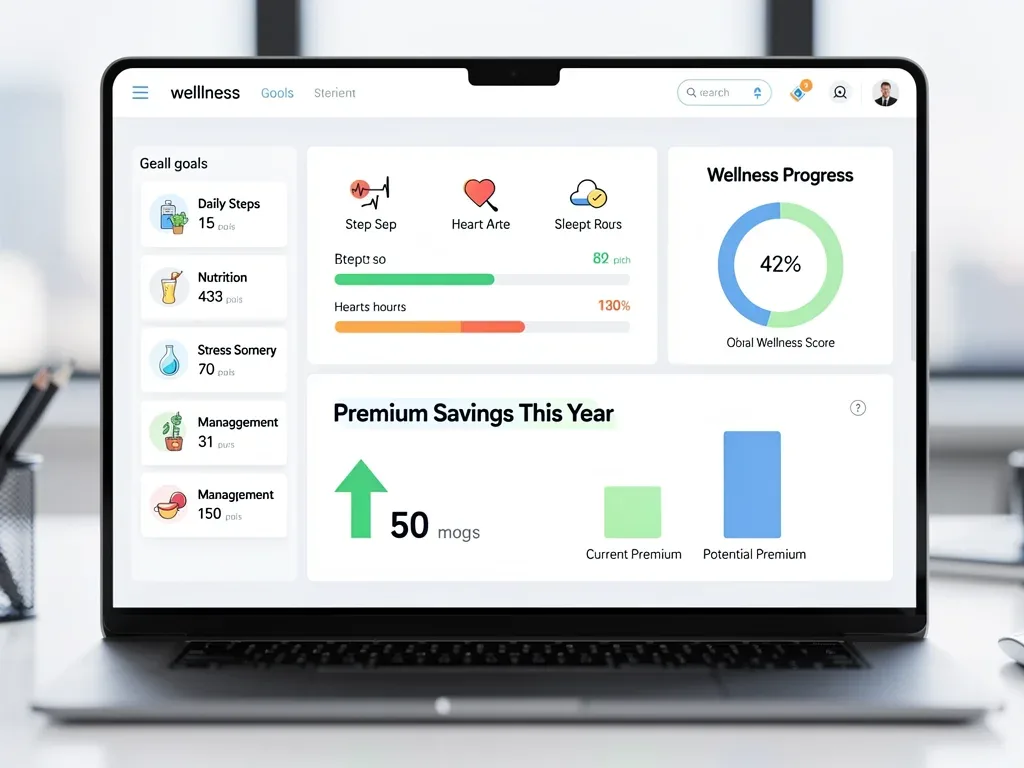
A premium reduction of up to $1,000 per employee is a substantial financial benefit, making Top 5 Employer Wellness Incentives That Provide Up to $1,000 in Premium Reductions particularly attractive.
This direct saving can significantly offset the rising cost of health insurance, providing tangible value to employees. For employers, it translates into a healthier workforce with lower long-term healthcare expenditures.
This level of incentive serves as a powerful motivator for employees to actively engage in wellness activities. It moves beyond abstract health benefits to concrete financial rewards, encouraging participation from a broader segment of the workforce.
The financial incentive acts as a catalyst for behavioral change.
Furthermore, these savings are not merely theoretical; they are verifiable and can be tracked, allowing both employees and employers to see the direct impact of their efforts. This transparency builds trust and reinforces the value of the wellness program, making the employer wellness incentives more impactful.
Incentive 1: Participation-Based Programs
Participation-based programs are among the most straightforward and widely adopted employer wellness incentives. These programs reward employees simply for engaging in specific health-related activities, regardless of the outcome. The emphasis is on encouraging active involvement in one's health journey.
Examples include attending health seminars, completing a health risk assessment (HRA), or participating in fitness challenges. The simplicity of these programs makes them accessible to a wide range of employees, fostering a sense of inclusivity.
Such employer wellness incentives remove barriers to entry, focusing on engagement over results.
The premium reductions often scale with the level of participation, meaning employees can earn more by completing more activities. This structure provides continuous motivation, helping to embed healthy habits into daily routines. These programs lay a foundational layer for more outcome-driven initiatives.
Health Risk Assessments (HRAs) and Biometric Screenings
Completing a Health Risk Assessment (HRA) is a common initial step in many wellness programs, often linked to premium reductions. HRAs provide employees with a confidential overview of their health status and potential risks, empowering them with knowledge. This forms a baseline for personalized wellness plans and is a key employer wellness incentives component.
Coupled with biometric screenings, which measure key health indicators like blood pressure, cholesterol, and glucose levels, these assessments offer a comprehensive health snapshot.
Employees who complete both an HRA and screening can often qualify for a significant portion of the premium reduction. This data is crucial for identifying areas for improvement.
The confidential nature of these screenings ensures privacy while providing valuable insights that can guide employees toward healthier choices.
Employers, in turn, gain aggregate data (without individual identifiers) that helps them tailor future wellness offerings. This dual benefit makes them effective employer wellness incentives.
Wellness Challenges and Educational Seminars
Wellness challenges, such as step challenges, hydration goals, or mindfulness exercises, are popular participation-based incentives.
These challenges often incorporate team-based elements, fostering camaraderie and peer support, which can significantly boost engagement. The competitive yet collaborative environment encourages consistent participation.
Educational seminars on topics like nutrition, stress management, and financial well-being also fall under this category. Attending these sessions equips employees with practical knowledge and tools to improve their health.
Offering diverse topics ensures relevance to a broader audience, maximizing the reach of these employer wellness incentives.
The combination of interactive challenges and informative seminars creates a holistic approach to wellness. Employees are not only encouraged to act but also educated on how to make sustainable lifestyle changes. This comprehensive strategy is vital for long-term health improvements.
Incentive 2: Outcome-Based Programs
Outcome-based wellness programs incentivize employees for achieving specific health targets, such as maintaining a healthy body mass index (BMI), lowering blood pressure, or quitting smoking.
These programs often offer the largest premium reductions due to their direct impact on health outcomes and associated healthcare costs. They directly link behavior to results.
While more challenging, outcome-based incentives can be highly effective for employees motivated by clear goals and substantial rewards.
These programs typically involve a baseline assessment, followed by periodic re-evaluations to track progress. The focus is on measurable improvements, making them powerful employer wellness incentives.
To ensure fairness and compliance with regulations, outcome-based programs often include reasonable alternatives for individuals who cannot meet the standards due to medical conditions.
This flexibility is crucial for avoiding discrimination and promoting equitable access to premium reductions. The structure balances aspiration with accessibility.
Achieving Health Metrics and Lifestyle Goals
Employers often set attainable health metrics as goals within these programs. For instance, an employee might receive a premium reduction for reducing their cholesterol levels to a healthy range or for consistently maintaining a target blood sugar level.
These targets are usually determined in consultation with health professionals to ensure they are realistic and safe.
Lifestyle goals, such as maintaining a smoke-free status for a specified period, also qualify for significant incentives.
These goals address high-impact health behaviors that can lead to substantial long-term health improvements and cost savings. Such employer wellness incentives are designed to tackle major health risks head-on.
The key to success in these programs lies in providing adequate support and resources, such as coaching, educational materials, and access to cessation programs.
Without proper support, achieving these outcomes can be difficult, undermining the effectiveness of the incentive. Support systems are as important as the goals themselves.
Incentive Type | Benefit Overview |
|---|---|
Participation-Based | Rewards for engaging in health activities, simple to access. |
Outcome-Based | Rewards for achieving specific health targets, higher premium reductions. |
Health Coaching | Personalized guidance for health improvements, often tied to premium savings. |
On-Site Fitness | Convenient access to fitness facilities or classes, promotes regular activity. |
Incentive 3: Health Coaching and Disease Management
Health coaching programs provide employees with personalized guidance and support to achieve their health goals.
These programs connect individuals with certified health coaches who offer expertise in areas like nutrition, exercise, stress reduction, and chronic disease management. The one-on-one support significantly increases the likelihood of success.
For employees managing chronic conditions such as diabetes or heart disease, dedicated disease management programs are invaluable.
These initiatives offer tailored education, monitoring, and support to help employees better control their conditions and prevent complications. Reduced medical costs and improved quality of life are direct outcomes.
Employers often integrate participation in these coaching and management programs with premium reductions, recognizing the profound impact they have on long-term health.
The investment in personalized support pays dividends in reduced healthcare claims and a healthier workforce. These are highly effective employer wellness incentives.
Personalized Support for Sustainable Health
The personalized nature of health coaching ensures that advice and strategies are relevant to the individual's specific needs and circumstances.
This contrasts with generic health advice, leading to higher engagement and more sustainable behavioral changes. Coaches help employees set realistic goals and overcome obstacles.
Disease management programs, in particular, provide critical support for employees who might otherwise struggle to navigate complex health challenges on their own.
By offering structured guidance, these programs empower individuals to take a more active role in their health. This proactive approach can prevent costly hospitalizations and complications.
The premium reductions associated with these programs acknowledge the effort and commitment required from employees.
They reinforce the idea that investing in one's health is a valuable endeavor, both personally and financially. These are among the most supportive employer wellness incentives available.
Incentive 4: On-Site Fitness Facilities and Classes
Providing on-site fitness facilities or subsidized gym memberships makes it easier for employees to incorporate physical activity into their daily routines.
Convenience is a major factor in exercise adherence, and having access to workout options at or near the workplace removes common barriers. This accessibility boosts participation in physical wellness initiatives.
Many employers also offer on-site fitness classes, such as yoga, Zumba, or boot camps, taught by certified instructors. These classes provide structured exercise opportunities and foster a sense of community among participants. The group dynamic can be a powerful motivator for consistent engagement.
Employees who regularly utilize these facilities or attend classes can earn premium reductions, directly linking their physical activity to financial savings. This incentive not only promotes physical health but also contributes to a positive work-life balance. These are tangible employer wellness incentives that support active lifestyles.
Promoting Physical Activity and Stress Reduction
Regular physical activity is well-documented for its benefits in preventing chronic diseases, improving mood, and reducing stress. By making fitness readily available, employers actively support these outcomes. A physically active workforce is generally a healthier and more resilient one.
On-site facilities also offer a convenient outlet for stress reduction during the workday. A quick workout or a mindfulness session can help employees clear their minds and return to their tasks refreshed. This contributes to overall mental well-being, an often-overlooked aspect of health.
The premium reductions tied to these physical activity incentives encourage employees to prioritize their fitness, leading to long-term health improvements. These employer wellness incentives demonstrate a commitment to holistic employee well-being, both physically and mentally.
Incentive 5: Telehealth and Digital Wellness Platforms
The rise of telehealth and digital wellness platforms has revolutionized how employees access health resources.
These platforms offer convenient and flexible access to virtual doctor's appointments, mental health counseling, and personalized wellness content. They are particularly beneficial for remote workers or those with busy schedules.
Many digital wellness platforms include features such as personalized health trackers, educational modules, and virtual coaching, empowering employees to manage their health proactively.
These tools provide continuous support and information, helping individuals stay on track with their wellness goals. They represent modern employer wellness incentives for a digital age.
Employers can incentivize the use of these platforms by offering premium reductions for consistent engagement, such as completing a certain number of virtual consultations or achieving specific activity goals tracked through the app.
This encourages utilization of valuable resources that can prevent health issues and manage existing ones effectively.
Accessible Health Resources for Modern Workforces
Telehealth services significantly improve access to care, especially in areas with physician shortages or for employees who find it difficult to take time off for in-person appointments.
This accessibility ensures that health concerns are addressed promptly, potentially preventing minor issues from escalating. It's a crucial part of contemporary employer wellness incentives.
Digital wellness platforms provide a wealth of information and tools at employees' fingertips, empowering them to take ownership of their health journey.
From sleep tracking to meditation exercises, these platforms cater to a wide array of wellness needs. They make health management an integrated part of daily life.
The premium reductions act as a powerful motivator for employees to explore and consistently use these digital resources.
This not only benefits individual health but also contributes to a culture of self-care and proactive health management across the organization. These are forward-thinking employer wellness incentives.
Implementing Effective Employer Wellness Incentives
Successful implementation of Top 5 Employer Wellness Incentives That Provide Up to $1,000 in Premium Reductions requires careful planning and communication.
Employers must clearly outline the program's objectives, the activities involved, and the specific premium reductions available. Transparency builds trust and encourages participation, making the incentives more effective.
Engaging leadership and securing their visible support is also critical. When senior management actively participates in wellness initiatives and champions the program, it sends a powerful message to the entire workforce. This top-down endorsement can significantly boost employee buy-in and enthusiasm.
Regular evaluation and adaptation are essential for the long-term success of any wellness program. Collecting feedback from employees, tracking participation rates, and analyzing health outcomes allow employers to refine their offerings.
This iterative process ensures that the employer wellness incentives remain relevant and impactful over time.
Communication Strategies for Maximum Engagement
Effective communication is the cornerstone of a successful wellness program. Employers should use multiple channels, such as email, internal newsletters, team meetings, and dedicated wellness portals, to promote the incentives. Consistent messaging helps keep the program top-of-mind for employees.
Highlighting success stories and testimonials from employees who have benefited from the program can be highly motivating. Real-life examples demonstrate the tangible impact of the wellness initiatives and inspire others to participate. This personal touch makes the employer wellness incentives more relatable.
It is also important to clearly explain how premium reductions are earned and what steps employees need to take. Simplifying complex information into easily digestible formats helps ensure that all employees understand how they can benefit. Clarity in communication drives engagement and participation.
The Broader Impact of Wellness Incentives on Workplace Culture
Beyond the direct financial benefits and health improvements, robust employer wellness incentives contribute significantly to a positive workplace culture.
A company that invests in its employees' well-being demonstrates care and commitment, fostering loyalty and job satisfaction. This creates a more supportive and engaging environment.
Wellness programs can also enhance team cohesion and morale. When colleagues participate in challenges or classes together, it builds camaraderie and strengthens interpersonal relationships.
This sense of community contributes to a more collaborative and positive work atmosphere, reinforcing the value of employer wellness incentives.
Ultimately, a culture of health and well-being can position an employer as a preferred workplace, attracting top talent and reducing turnover. In today's competitive job market, comprehensive benefits, including strong wellness programs, are a key differentiator.
These initiatives are a win-win for both employees and the organization.
FAQ on Employer Wellness Incentives
What are the primary benefits of employer wellness incentives?▼
The primary benefits of employer wellness incentives include improved employee health, reduced healthcare costs for both employees and employers, increased productivity, and enhanced employee morale. These programs also contribute to a more positive and supportive workplace culture, attracting and retaining talent.
How can employees earn up to $1,000 in premium reductions?▼
Employees can earn up to $1,000 in premium reductions by actively participating in various wellness activities. This often includes completing health risk assessments, engaging in biometric screenings, achieving specific health outcomes, or consistently using digital wellness platforms. The incentives vary by program structure.
Are outcome-based wellness programs fair to all employees?▼
Yes, outcome-based wellness programs are designed to be fair. Regulations typically require employers to offer reasonable alternative standards for individuals who cannot meet specific health outcomes due to medical conditions. This ensures that all employees have an equitable opportunity to earn premium reductions.
What role does communication play in wellness program success?▼
Communication is crucial for wellness program success. Clear, consistent, and multi-channel communication ensures employees are aware of the program, understand how to participate, and know the benefits. Highlighting success stories and providing clear instructions significantly boosts engagement and participation rates.
How do digital wellness platforms contribute to employee health?▼
Digital wellness platforms provide convenient and flexible access to health resources, including telehealth, virtual coaching, and personalized trackers. They empower employees to manage their health proactively, offering continuous support and information, which is especially beneficial for remote or busy workforces.
Looking Ahead: The Evolution of Employer Wellness Incentives
The landscape of employer wellness incentives is continuously evolving, with a growing emphasis on holistic well-being that includes mental, financial, and social health alongside physical health.
As employers recognize the multifaceted nature of employee wellness, future programs will likely integrate even more diverse offerings—such as the strategy frameworks outlined in PDHI's guide on the best wellness incentives in the workplace.
The focus will remain on creating supportive environments that empower employees to thrive, ensuring that the Top 5 Employer Wellness Incentives That Provide Up to $1,000 in Premium Reductions continue to deliver significant value and impact across the United States workforce.