Government Unveils New Program to Boost Retirement Savings for Low-Income Households in 2026
Advertisements
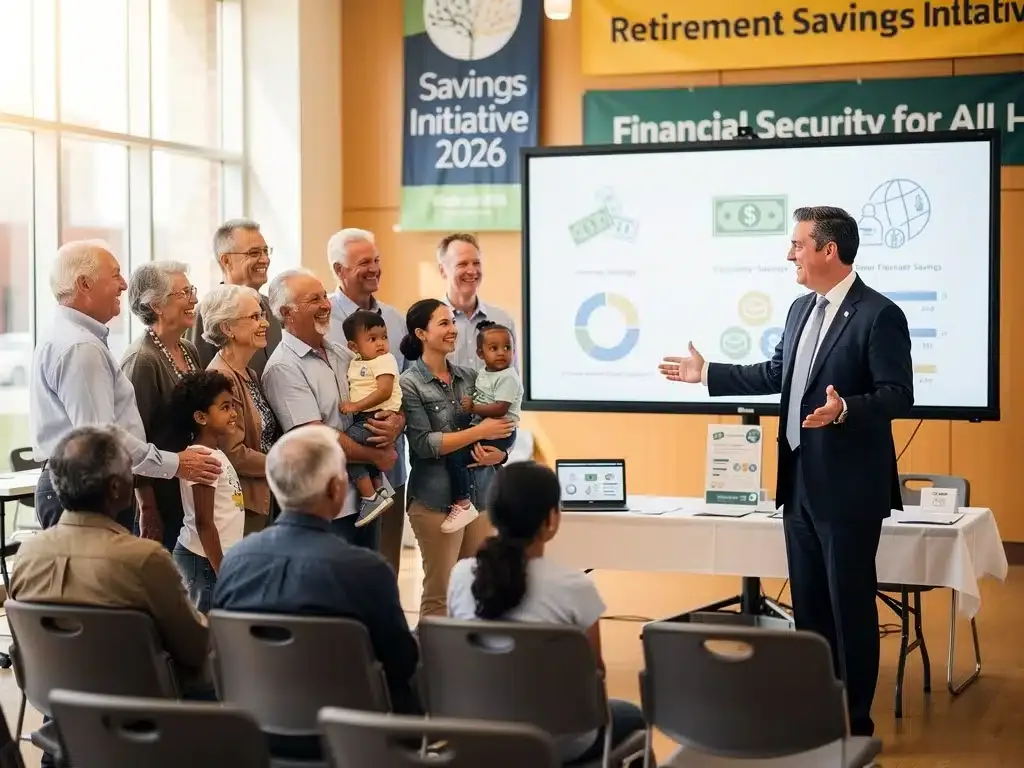
Latest developments on Government Unveils New Program to Boost Retirement Savings for Low-Income Households in 2026, with key facts, verified sources and what readers need to monitor next in Estados Unidos, presented clearly in Inglês (Estados Unidos) (en-US).
Government Unveils New Program to Boost Retirement Savings for Low-Income Households in 2026 is shaping today’s agenda with new details released by officials and industry sources. This update prioritizes what changed, why it matters and what to watch next, in a straightforward news format.
Government Unveils New Program to Boost Retirement Savings for Low-Income Households in 2026
The U.S. government recently announced a significant new initiative designed to bolster the financial futures of its most vulnerable citizens. This program, set to launch in 2026, aims to address the critical issue of inadequate retirement savings among low-income households.
Officials have outlined the core components of this comprehensive plan, emphasizing its potential to create a more equitable retirement landscape. The focus is on providing tangible support to those who historically face barriers to building a secure financial future.
This strategic move reflects a growing recognition of the need for proactive measures to prevent widespread poverty in old age. The Government Unveils New Program to Boost Retirement Savings for Low-Income Households in 2026 represents a pivotal step in this direction.
Key Features and Eligibility Criteria
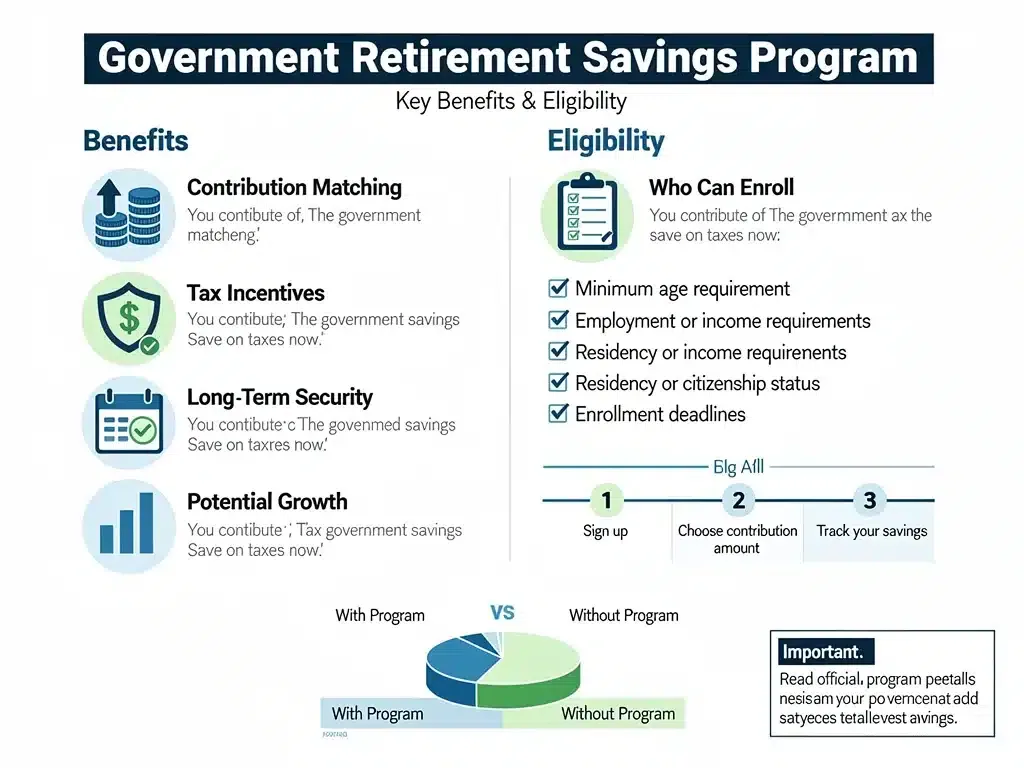
The new program introduces several innovative features aimed at maximizing participation and impact. These include direct contributions, matching incentives, and simplified enrollment processes to ensure accessibility for all eligible individuals.
Eligibility for the program will primarily target households falling below a certain income threshold, with specific details to be finalized closer to the 2026 launch. The goal is to reach those most in need of assistance in accumulating retirement assets.
Understanding these criteria is essential for potential beneficiaries to prepare and take full advantage of the opportunities presented by the Government Unveils New Program to Boost Retirement Savings for Low-Income Households in 2026.
Direct Contribution Mechanisms
One of the cornerstone features is the provision for direct government contributions to participants’ retirement accounts. This initial boost aims to overcome common hurdles faced by low-income individuals in starting to save.
These contributions are designed to be a foundational element, providing a safety net that can grow over time. The program seeks to instill a culture of saving by making the initial steps less daunting.
Matching Incentives and Tax Benefits
- The program will offer a dollar-for-dollar matching contribution up to a certain limit, encouraging participants to save more.
- Participants may also benefit from favorable tax treatment on their contributions and earnings, further enhancing their savings growth.
- These incentives are structured to provide a significant return on personal savings, making the program highly attractive.
Expected Impact on Low-Income Households
The introduction of this program is anticipated to have a profound positive impact on the financial stability of low-income households across the nation. By providing a structured pathway to retirement savings, it aims to reduce reliance on public assistance in later life.
Financial experts project a measurable increase in retirement preparedness among the target demographic. This shift could lead to improved quality of life for seniors and a stronger overall economy.
The Government Unveils New Program to Boost Retirement Savings for Low-Income Households in 2026 represents a long-term investment in the well-being of American families.
Addressing Retirement Security Gaps
Many low-income individuals currently lack access to employer-sponsored retirement plans or find it difficult to save independently. This program directly addresses these systemic gaps, offering a vital alternative.
It acknowledges that traditional retirement planning models often exclude or disadvantage those with limited financial resources. The new initiative seeks to level the playing field, ensuring broader access to retirement security.
Promoting Financial Literacy
- Alongside direct financial support, the program is expected to incorporate components focused on financial education.
- These educational resources will empower participants with the knowledge and skills to manage their retirement savings effectively.
- Improved financial literacy can lead to better long-term financial decisions, extending beyond just retirement planning.
Implementation Timeline and Preparations for 2026
While the official launch is slated for 2026, the government is already undertaking extensive preparatory work. This includes developing the necessary infrastructure, establishing partnerships, and conducting outreach to ensure a smooth rollout.
Agencies are collaborating to design user-friendly platforms and support services that will guide participants through the enrollment and contribution processes. The aim is to minimize administrative burdens and maximize ease of access.
The period leading up to 2026 will be crucial for both the government and prospective participants to get ready for the full implementation of the Government Unveils New Program to Boost Retirement Savings for Low-Income Households in 2026.
Governmental Coordination Efforts
Multiple government departments are involved in coordinating the various aspects of the program, from legal frameworks to technological solutions. This inter-agency cooperation is vital for its success.
Regular updates and detailed guidelines are expected to be released as the implementation phase progresses. Transparency and clear communication are priorities to build public trust and understanding.
What Low-Income Households Can Do Now
- Begin to gather necessary financial documents, such as income statements and tax records, which may be required for eligibility verification.
- Stay informed about official announcements and public information campaigns regarding the program.
- Consider attending local financial literacy workshops or seeking advice from non-profit financial counselors to prepare for future savings.
Addressing Potential Challenges and Criticisms
Like any large-scale government initiative, the new retirement savings program may face challenges and criticisms. Concerns could range from funding sustainability to administrative complexities or the adequacy of benefits.
Officials are preemptively working to address these potential issues, emphasizing the robust design and long-term vision of the program. Open dialogue with stakeholders is expected to help refine its execution.
The Government Unveils New Program to Boost Retirement Savings for Low-Income Households in 2026 is a complex undertaking, and continuous evaluation will be key to its enduring success.
Ensuring Program Sustainability
A key focus for policymakers is ensuring the long-term financial sustainability of the program. This involves careful budgeting and potentially exploring various funding mechanisms to maintain its viability for future generations.
Regular reviews and adjustments to the program’s structure may be necessary to adapt to changing economic conditions and demographic shifts. The goal is to create a resilient and impactful system.
Public Feedback and Adjustments
- The government is likely to establish channels for public feedback, allowing for continuous improvement based on real-world experiences.
- Early pilot programs or phased rollouts could be used to identify and iron out any unforeseen issues before full implementation.
- Flexibility in adapting the program based on empirical data will be crucial for its effectiveness and public acceptance.

Comparison with Existing Retirement Plans
This new program is designed to complement, rather than replace, existing retirement savings vehicles such as 401(k)s and IRAs. Its primary objective is to fill gaps for those who currently lack access or sufficient means to utilize these options effectively.
Unlike some traditional plans, this initiative specifically targets low-income households, offering tailored benefits and support structures. It aims to broaden the base of retirement savers, not just augment existing ones.
The Government Unveils New Program to Boost Retirement Savings for Low-Income Households in 2026 represents a distinct and necessary addition to the national retirement security framework.
Bridging Access Gaps
Many low-wage jobs do not offer retirement benefits, leaving a significant portion of the workforce without a pathway to save. This program directly addresses this disparity, ensuring a more inclusive approach to retirement planning.
It acknowledges that simply encouraging savings is not enough; structural barriers must be removed. The program provides a direct mechanism for those previously excluded to build assets.
Simplified Structure for Participants
- The program is expected to feature a simplified administrative structure, making it easier for participants to understand and manage their accounts.
- Reduced fees and transparent investment options will likely be hallmarks, contrasting with the complexities often found in private sector plans.
- The focus is on ease of use and maximum benefit retention for the low-income demographic.
Long-Term Vision for Financial Security
The overarching vision behind the Government Unveils New Program to Boost Retirement Savings for Low-Income Households in 2026 extends beyond immediate financial relief. It aims to foster long-term economic resilience and reduce intergenerational poverty.
By empowering low-income households to build assets, the program contributes to broader societal goals of economic equality and stability. A secure retirement for all benefits the entire nation.
This initiative is not merely a short-term fix but a foundational element of a more robust and inclusive financial future for the United States.
Reducing Social Safety Net Strain
A successful retirement savings program for low-income individuals can significantly reduce future strain on social safety net programs. As more people achieve financial independence in retirement, the burden on public assistance decreases.
This proactive approach can lead to more efficient allocation of public funds in the long run. Investing in retirement security now can yield substantial benefits for the welfare system later.
Economic Growth and Stability
- Increased retirement savings can stimulate economic growth by providing a larger pool of capital for investment.
- Greater financial stability among seniors can also lead to more predictable consumer spending patterns, benefiting local economies.
- The program contributes to a healthier, more dynamic economy by ensuring that all segments of society have a stake in long-term prosperity.
| Key Program Aspect | Brief Description |
|---|---|
| Target Group | Low-income households across the United States. |
| Launch Year | Full implementation expected in 2026. |
| Key Benefit | Direct contributions and matching incentives for savings. |
| Objective | Enhance retirement security and financial literacy. |
Frequently Asked Questions About the New Retirement Savings Program
What is the primary goal of the new retirement savings program?▼The primary goal is to boost retirement savings for low-income households, ensuring greater financial security in their later years. The Government Unveils New Program to Boost Retirement Savings for Low-Income Households in 2026 specifically targets those who historically struggle to save for retirement due to various economic barriers.
Who is eligible for the Government Unveils New Program to Boost Retirement Savings for Low-Income Households in 2026?▼Eligibility will be determined by specific income thresholds and other criteria yet to be fully detailed. Generally, the program is designed for low-income individuals and families who lack sufficient retirement savings and access to traditional employer-sponsored plans.
When will this new program officially begin?▼The Government Unveils New Program to Boost Retirement Savings for Low-Income Households in 2026 is slated for full implementation in the year 2026. Preparations are currently underway to establish the necessary infrastructure and support systems for its successful launch.
What are the main benefits offered by this program?▼Key benefits include direct government contributions to retirement accounts, matching incentives for personal savings, and potential tax advantages. The program aims to make saving for retirement more accessible and rewarding for low-income participants.
How can I prepare for the Government Unveils New Program to Boost Retirement Savings for Low-Income Households in 2026?▼Prospective participants should stay informed about official announcements, gather relevant financial documents, and consider improving their financial literacy. These steps will help ensure readiness to enroll and maximize benefits once the program becomes active in 2026.
Looking Ahead: The Future of Retirement Savings
The Government Unveils New Program to Boost Retirement Savings for Low-Income Households in 2026 marks a pivotal moment in national financial policy. This initiative has the potential to redefine retirement security for millions, fostering a more inclusive economic landscape.
As the 2026 launch approaches, continued vigilance on policy developments and implementation details will be essential. This program is not just about financial figures; it’s about building a more stable and equitable future for all Americans.
The success of this endeavor will undoubtedly influence future policy decisions, setting a precedent for how governments address long-term financial challenges for their most vulnerable populations.